
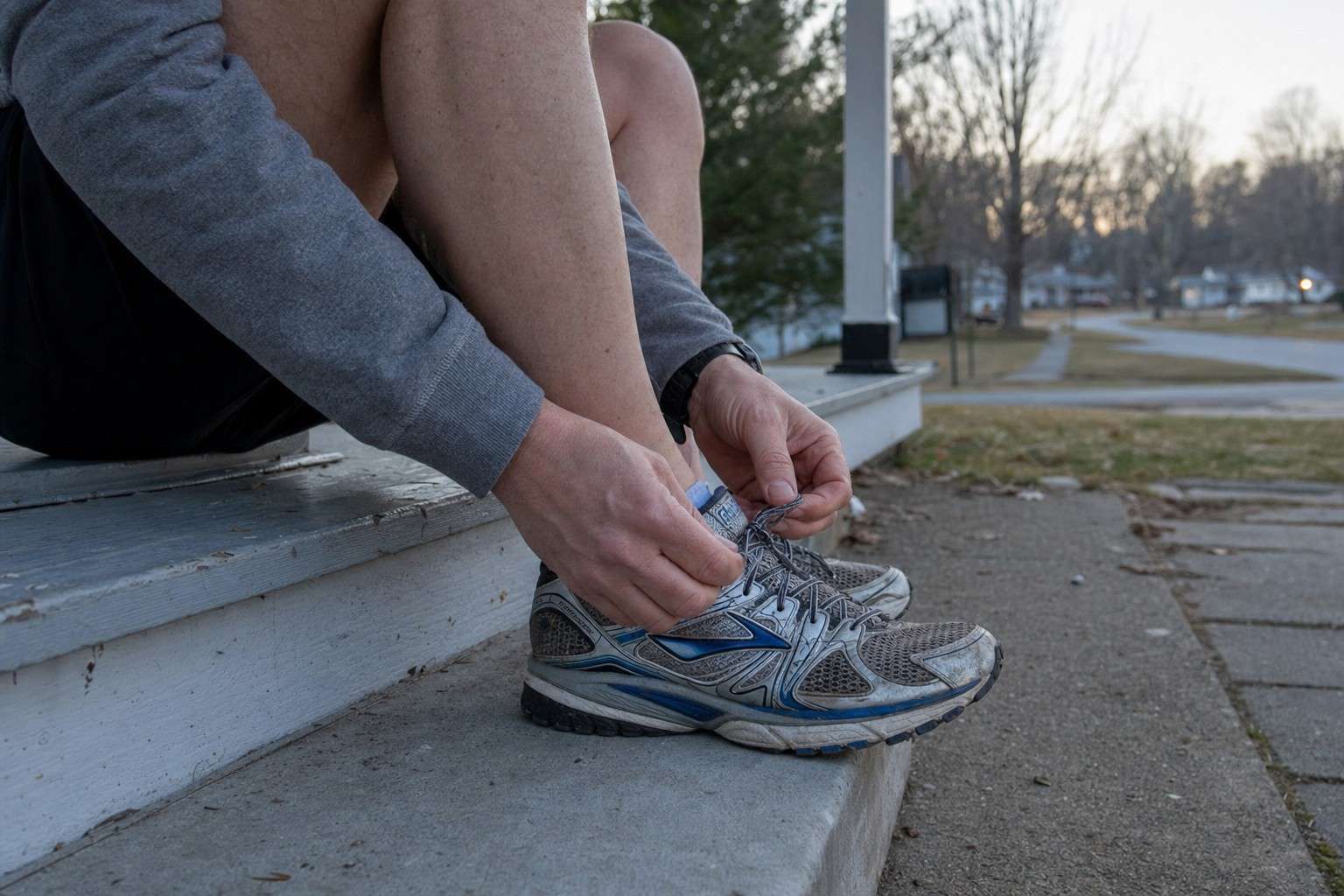
Getting Back on Track After a Long Break from Running
Every runner takes a break at some point.
Life gets busy. Something hurts. Work piles up, a season slips by. Suddenly it’s been six months since you laced up. Maybe longer.
The comeback is where most people quit for good.
They come back too hard, get hurt or exhausted in the first two weeks, and give up. Or they feel so far behind where they were that starting feels pointless.
Neither of those is the truth. Coming back is a skill, and it is one you can learn.
The mindset that makes it work
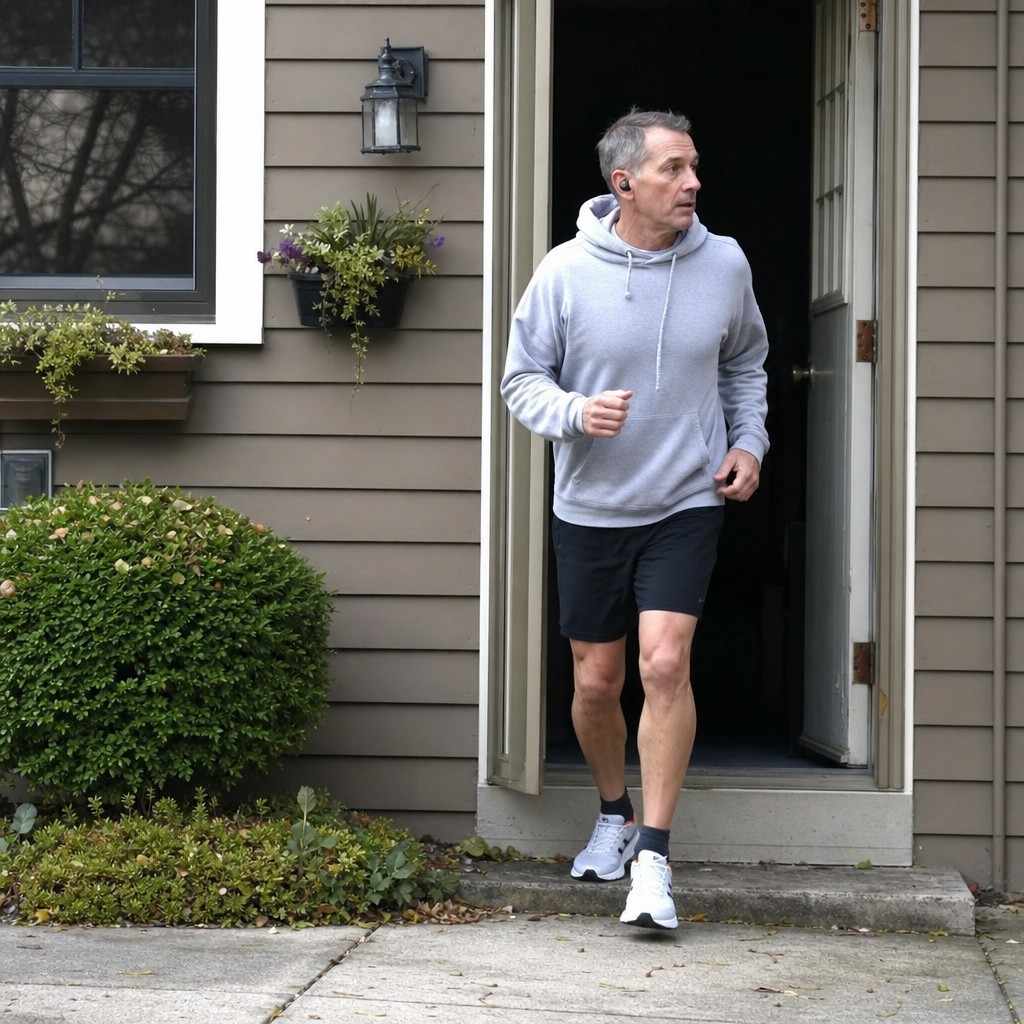
Here is the one thing I want you to hold before you take a single step: you are not starting over.
You are starting from where you are.
Your body remembers. The aerobic capacity, the movement patterns, the mental toughness you built before the break do not vanish completely. They go quiet.
Your job is to wake them back up. Not rebuild from zero.
The mistake most people make is skipping that wake-up phase. They go straight back to where they left off: the mileage, the pace, the hard days. Then the body sends a protest. Soreness, fatigue, or something worse.
Start slower than your ego wants. The pace that feels embarrassingly easy is probably close to right.
Walk before you run, run easy before you push
The best tool for coming back after any significant layoff is the walk-run method.
You alternate short running intervals with walking recovery, building the running blocks week by week as your body adapts. This is not a beginner plan.
It is the approach plenty of experienced runners use after injury, illness, or a long gap.
A simple starting week looks like this: one minute of easy running, two minutes of brisk walking, repeated for twenty to thirty minutes total. The running effort should be fully conversational. Easy enough to hold a sentence without straining.
The walk-run method works because it controls the load. You get the training stimulus without overwhelming joints and tendons that need time to rebuild.
Walk breaks are not a sign you are out of shape. They are a sign you are training intelligently.
If you are coming back after an illness or injury, this is general training information, not medical advice. Check with your doctor before jumping into even light running.
Rebuild the aerobic base first
When you take time off, the aerobic base softens faster than the muscular side.
Your legs might feel okay. Your cardiovascular system still needs a few easy weeks before it is ready to handle sustained effort.
This is why easy effort matters so much on the comeback.
Keep the pace in the zone where you could hold a real back-and-forth conversation. Not just squeeze out a few words. A genuine, relaxed sentence.
Most runners come back and default to a pace in the uncomfortable middle. Not easy enough to rebuild the base, not hard enough to deliver a real training stimulus. Just grinding through accumulated fatigue.
Easy enough to feel almost too easy is about right.
Your aerobic base will come back faster than you expect, usually within four to six weeks of consistent, easy running. But you have to give it those weeks before you push.
Expect two steps forward, one step back
Comebacks are rarely a clean upward curve.
A strong week, then a flat one. A run where the legs feel good, then a run where everything feels heavy. A day you miss the session entirely.
This is normal. It is not failure.
The runners who make it back are not the ones who never stumble.
They are the ones who keep showing up after the stumble.
The week you miss a run entirely, go out for even ten minutes of easy jogging the next day. Ten minutes is not nothing. Ten minutes is the habit staying alive.
It is far easier to rebuild from a small spark than to restart from cold.
One useful framing: aim for four weeks of just getting out the door before you think about pace or mileage. Four weeks of mostly-easy, mostly-regular running, even short runs, will do more for your comeback than any plan drawn up on paper.
Put it in a simple structure
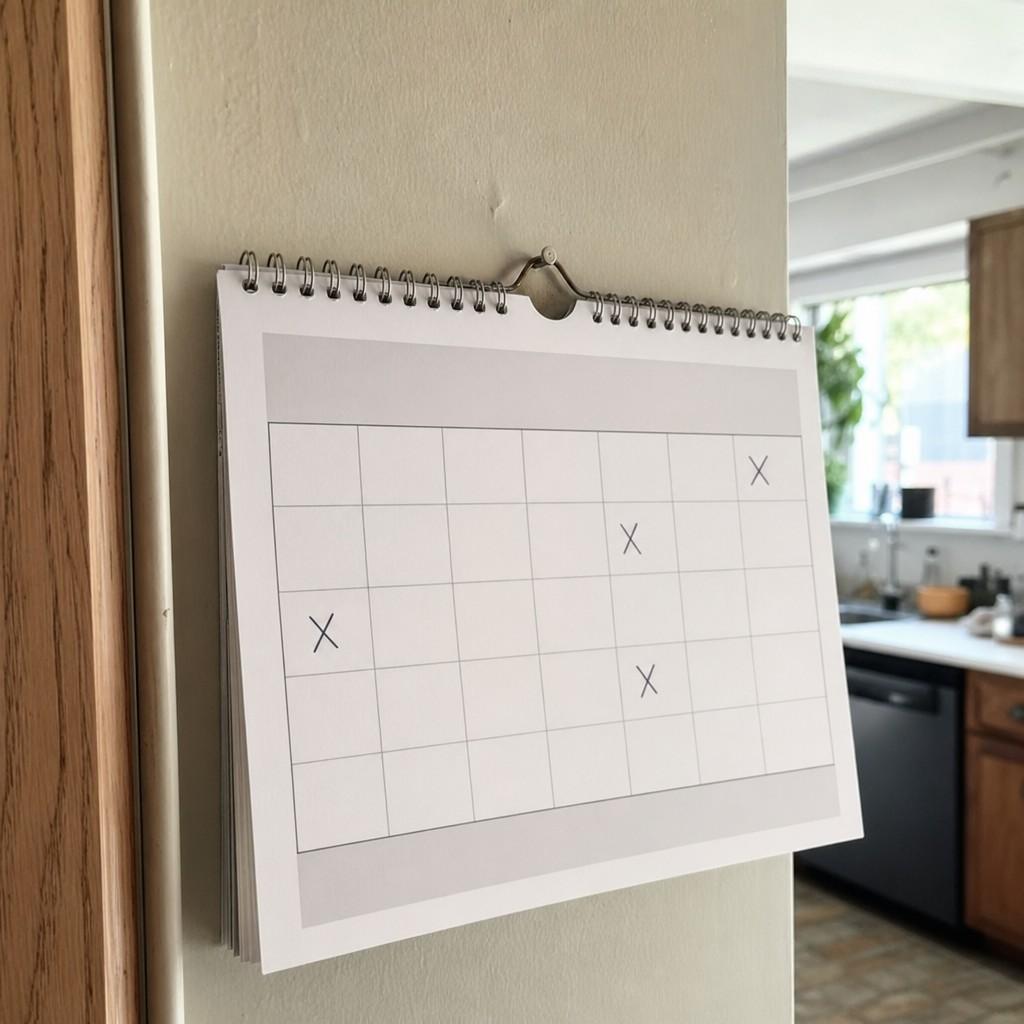
Loose intentions fall apart faster than loose schedules.
A light framework helps a lot when you are rebuilding the habit. Three runs and two brisk walks per week is a reasonable start. The runs stay easy. You are logging time on feet and signaling to your body that this is not a one-off experiment.
Small, repeatable steps compound over time.
Once you have that base, a weekly running routine gives you a template to build from, including how to space the harder efforts when you are ready for them.
One consistent month is worth more than one intense week followed by nothing.
What patience actually looks like
Most people think patience means waiting to feel good before training hard.
It does not.
Patience is running easy on days when your ego wants to run hard.
It is cutting a session short when something does not feel right. It is doing the thirty-minute easy run on the plan, not forty-five minutes at a harder effort because you felt good.
That discipline separates runners who make it back from runners who get hurt, frustrated, and give up.
If you are over 50, or coming back after a gap of a year or more, that patience window is just a bit longer. The body still adapts. It just asks for a little more runway.
Give it that runway. The results are genuine.
The comeback is part of running
Every runner you have ever admired has had a break. Injury, illness, life, whatever the reason.
The break is not the exception in a running life. It is one of the chapters.
Coming back from a layoff is a skill you are building every time you do it. Each comeback teaches you something: how fast your body comes around, what effort level is sustainable, how to keep the habit alive when motivation fades.
That knowledge does not go away. It makes you a more durable runner.
Start easy. Stay consistent. Give yourself four weeks before you judge the comeback.
The goal is not to get back to where you were as fast as possible.
The goal is to still be running in ten years. Everything else is secondary.