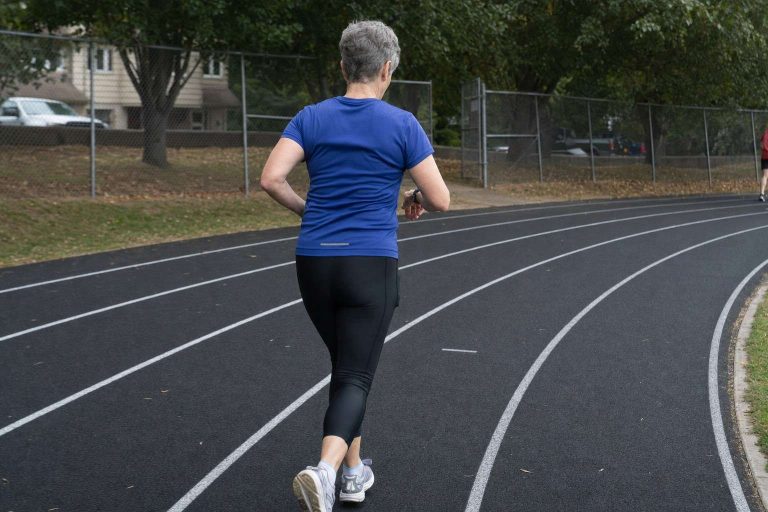
Walking Is the First Step, and a Good One on Its Own
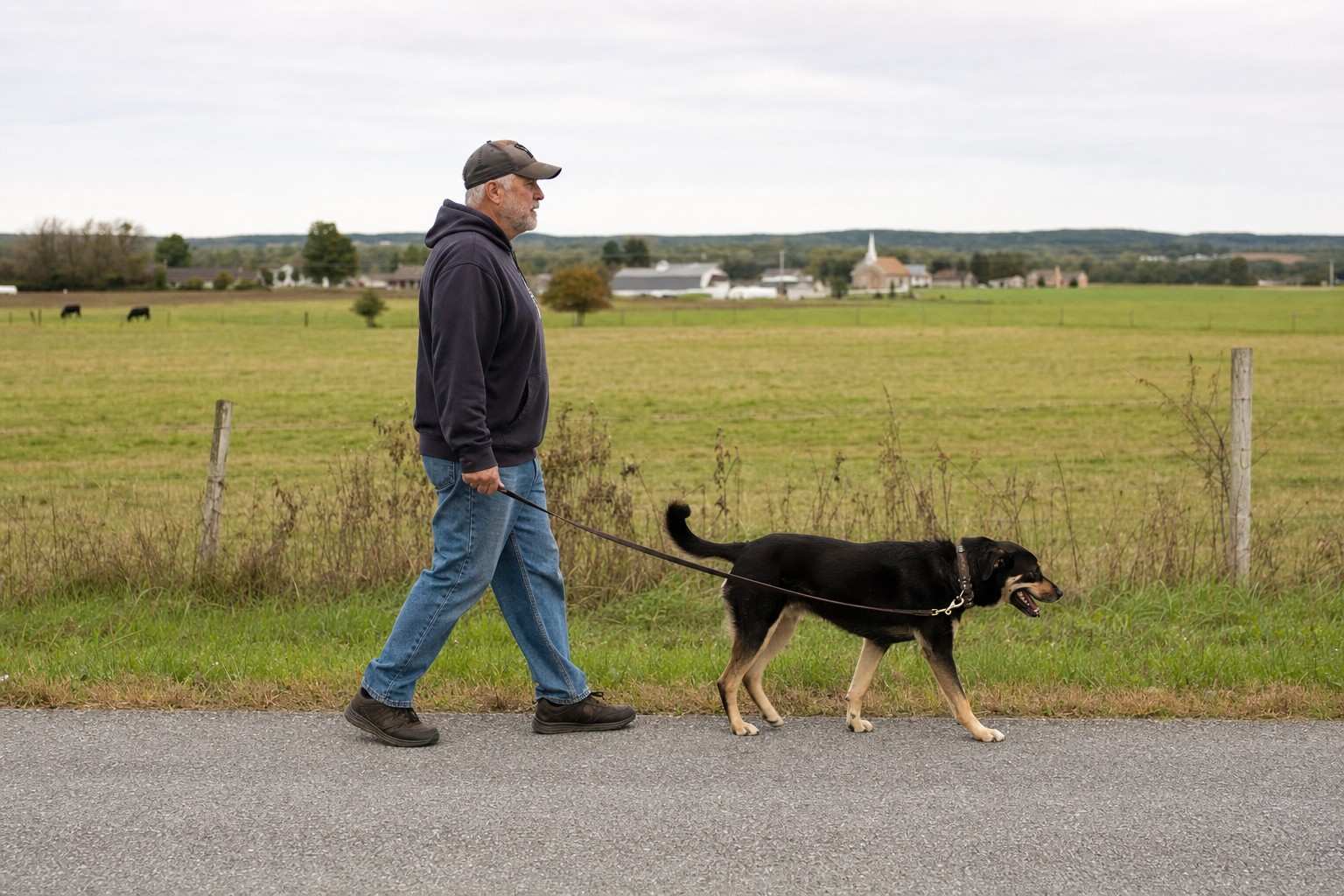
I walk my dog 5 or 6 miles most mornings, through our small town and out into the countryside around it.
We pass neighbors, other dogs, the occasional early runner.
It is not a workout in the way a tempo run is a workout. But I have never finished one of those walks feeling worse than when I started.
Walking is where fitness starts, and for many people it is where it stays.
That is not a downgrade. It is a smart place to be.
Why walking earns its place as training
Walking gets you out of the chair and into the air. It gets your heart moving, your muscles working, and your joints fed with the fluid they need to stay healthy.
I grew up spending summers in the Colorado ranges, hiking and backpacking. Later, in the military, long marches with a full pack were ordinary.
Neither of those felt like “exercise.” They were just movement, distance, weight, and time.
That is still how I think about walking. It is movement with real physiological payoff, dressed in ordinary clothes.
The American Heart Association recommends at least 150 minutes of moderate activity a week for basic heart health. A brisk daily walk gets you there without any special setup, any training plan, or any previous fitness history.
Walking is not a stepping stone you graduate from. It is a training tool you can come back to at any point in your running life.
Get the shoes right before anything else
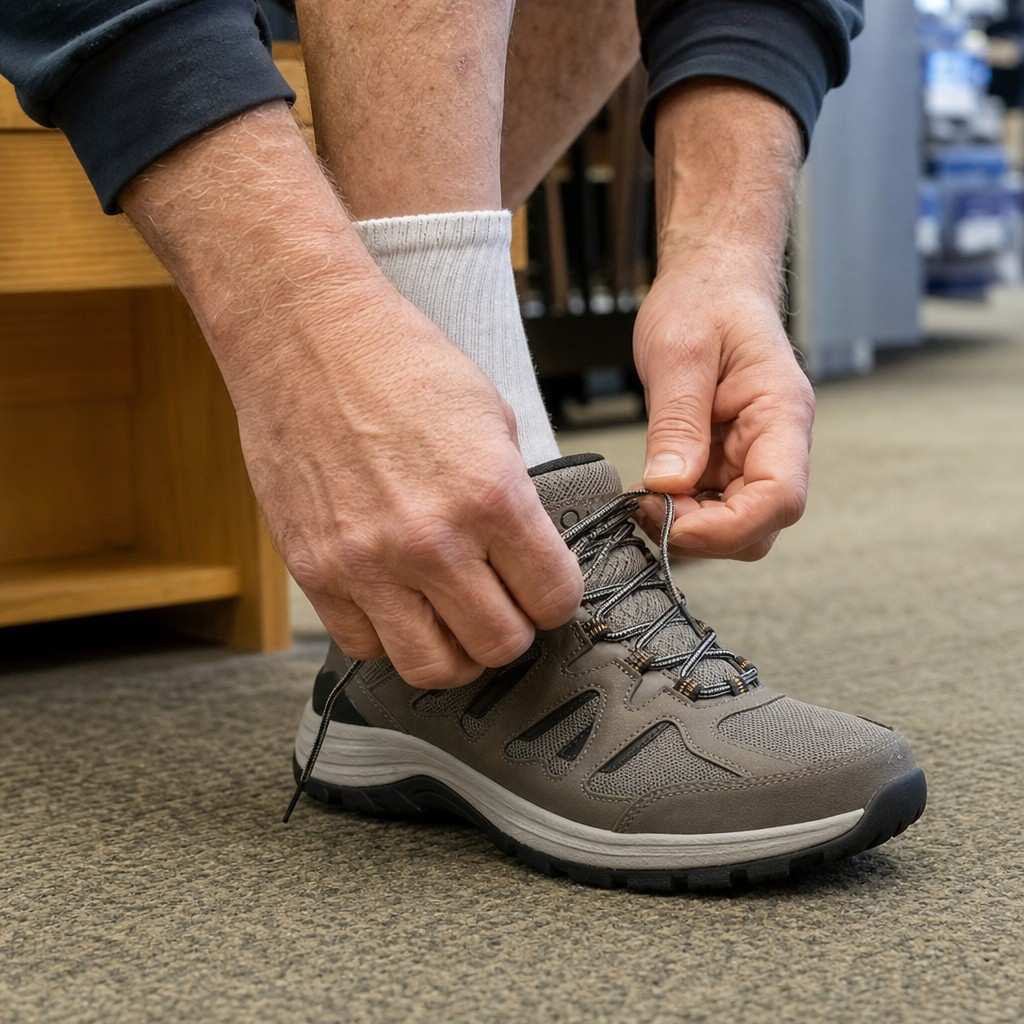
Walking does not take much equipment. But shoes matter.
Go to a store that specializes in running. Not a big-box sporting goods chain, a proper running store where the staff actually runs.
Tell them you want to start walking and may add running later. They will watch you walk, look at your foot shape, and steer you toward shoes that fit.
The right fit is more important than the brand.
You want enough room in the toe box so your toes can spread, no slipping at the heel, and enough support that you feel stable on uneven pavement. If the store lets you walk up and down the aisle or around the block, do it.
Buy the pair that feels good immediately, not the one you expect to break in.
Good walking shoes are the same shoes you would want for running later. You can compare walking shoes on Amazon if you want a sense of the range, but a fitted pair from a running store is almost always worth the trip.
Starting from wherever you are
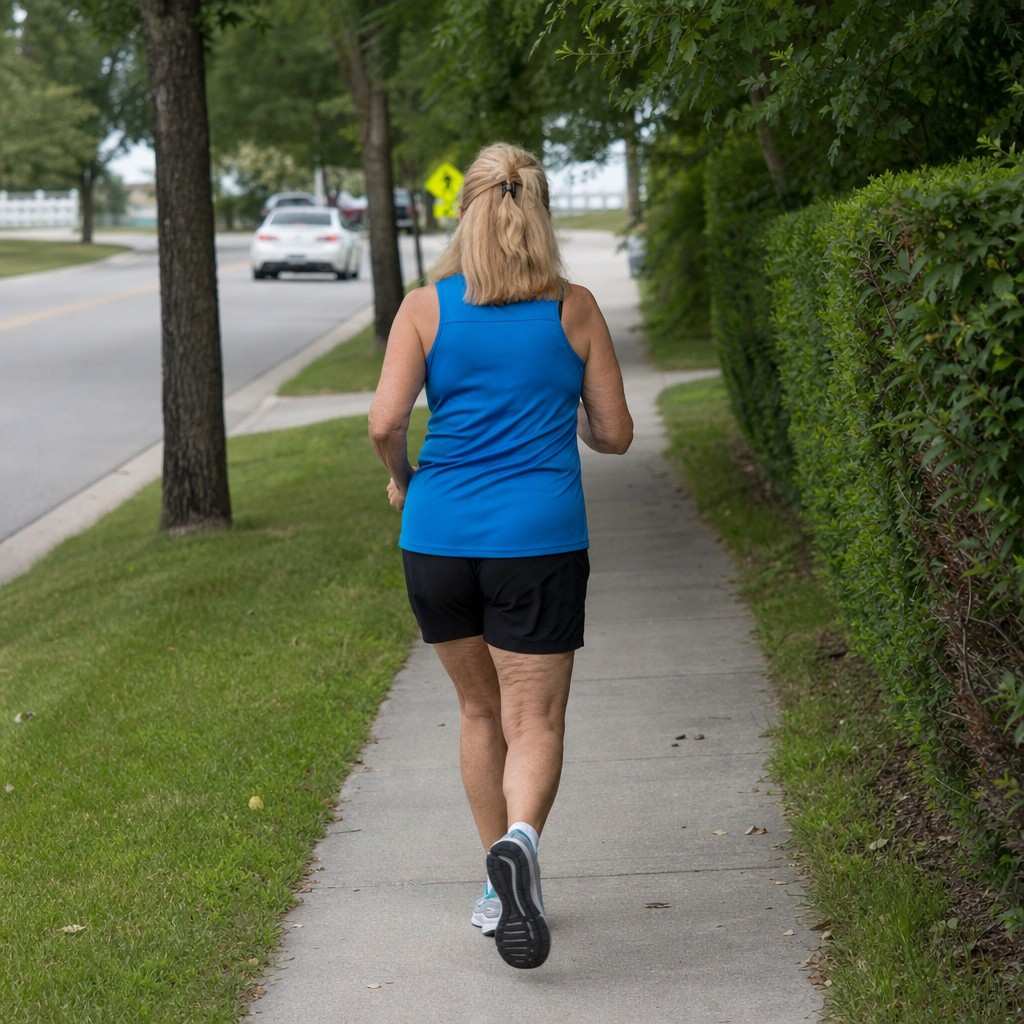
There is no minimum entry level for this.
Some people walk half a mile and feel it. Some walk five. Neither of those is wrong.
Everyone starts from a different place, and the body adapts from wherever you start it.
The goal at the beginning is simple: get out, move, come back feeling like you did something.
If you are so winded after a short walk that you dread going again, shorten it. If you finish and feel good, that is the level to build from.
A few things that help early on:
- Walk on a schedule, not a whim. Three or four times a week at a fixed time beats seven days of good intentions.
- Add a little time each week, not a lot. Ten percent more is a guideline that holds for walking the same as it holds for running.
- Notice how you feel. A walk should leave you a little tired and a lot better. If you are sore for two days after, back it off.
If you cannot walk long stretches yet
No problem at all.
Walk what you can. Rest. Walk again.
Interval walking is legitimate training. The body does not care that the effort was not continuous. It cares that the effort happened.
As the weeks go by, the resting spells get shorter and the walking stretches get longer on their own. You do not have to force it.
Walking as the bridge to running
Walking is a fine destination on its own. It is also the best preparation for running that exists.
When you are ready to add running, the smartest way in is not to lace up and start jogging for 30 minutes.
That is how people get hurt and quit.
The better approach is to alternate walking and running, mixing them in the same session. Walk a quarter-mile, run a quarter-mile, walk, run.
You cover more ground than you could run straight through, with less stress on legs and lungs that are still adapting. That is the foundation of the walk-run method, and it works at any age and any starting point.
You do the same thing over weeks, gradually shifting the balance toward more running and less walking, until you can run continuously if that is your goal.
The transition happens naturally. You do not have to rush it.
If you are older and coming back after a gap, this matters even more. The running after 50 piece covers the evidence on why running is not the risk people assume, and how to train in a way that keeps you going for the long haul.
The walk-run approach is always the on-ramp, regardless of age.
What “consistency” actually means in practice
Every good training program in the world eventually says the same thing: consistency is the active ingredient.
Not every walk has to be long. Not every week has to be a personal best.
What matters is that you go out regularly, week after week, for months and years.
The walk with the dog I mentioned at the top, I have been doing some version of that for as long as I can remember.
It is not heroic. It is just regular.
Make the schedule. Go most days. Come back. That is the whole method.
The runners who are still out there in their 60s and 70s did not get there by training harder than everyone else.
They got there by training consistently over a very long time, starting from whatever base they had.
Walking builds that base. If you are not sure where to start, start there.
This is general training information, not medical advice. If you have a health condition or have been inactive for a long time, check with your doctor before starting a new exercise program.